
Ledger.com/Start® — set up your Ledger hardware wallet
Ledger.com/start offers a straightforward setup starting point, helping you prepare your Ledger device and explore tools for managing crypto accounts and holdings.
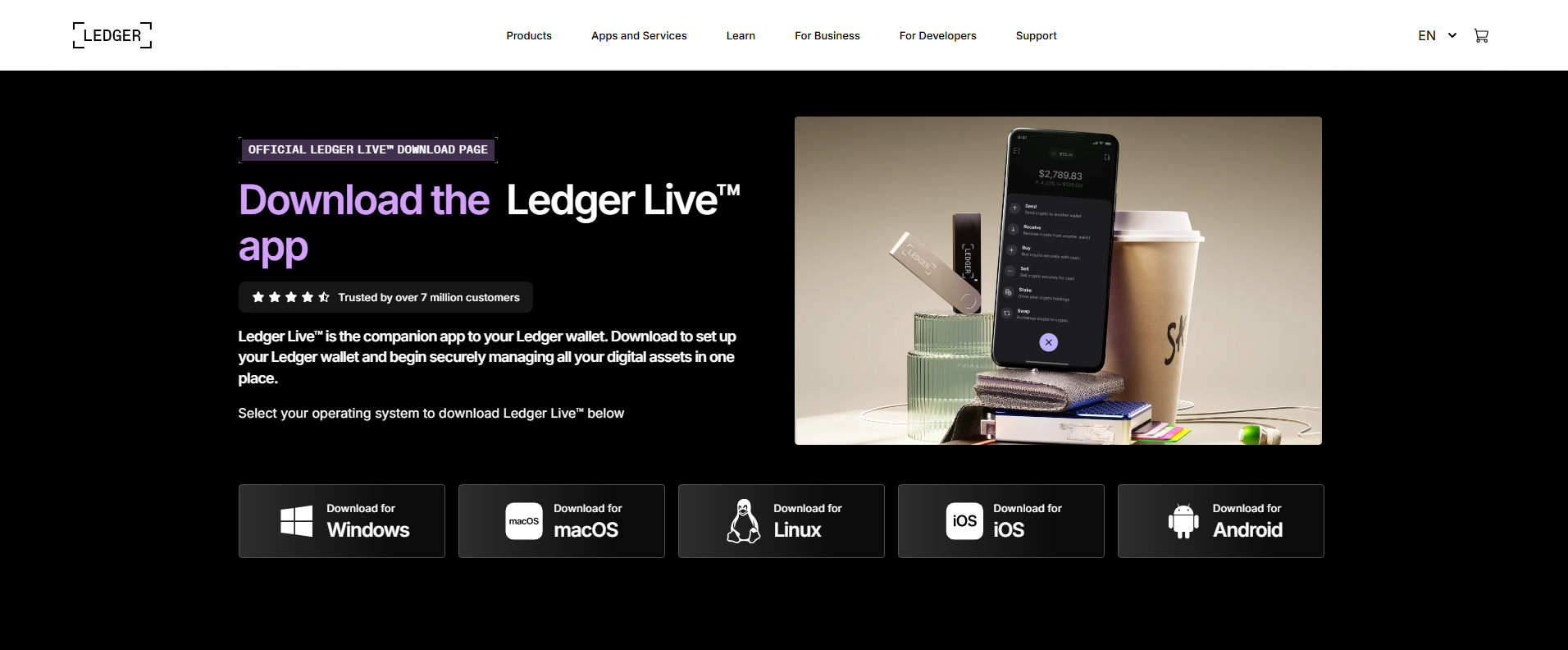
Ledger.com/start: Build a Secure Wallet Foundation
Getting a new hardware wallet ready does not have to be complicated. With a careful approach and the right resources, users can move through the initial process with greater confidence. Ledger.com/start can be used as a starting point for learning how to prepare a Ledger device and establish good wallet-management habits.
Prepare Before You Begin
Start by choosing a private location and a computer you trust. Avoid setting up your wallet on a shared or unfamiliar device. Make sure you have enough time to read each instruction instead of rushing through the process.
The setup experience is easier when you understand what each step is asking you to do.
Verify the Source
One of the most important precautions is making sure that setup information and software come from an official Ledger source.
Search results, advertisements, emails, and social media posts can sometimes lead to imitation websites. Before downloading anything or entering information, carefully check the website address and make sure the source is legitimate.
Configure Your Device Carefully
Connect your Ledger device and follow the instructions intended for your model. During the process, you may encounter security-related prompts and wallet configuration steps.
Pay attention to what appears on both your computer and the physical device. If a request looks unusual or conflicts with the expected setup process, pause before continuing.
Give Recovery Information Special Attention
Your recovery phrase is one of the most sensitive parts of your wallet setup. Record it exactly as instructed and keep the written information somewhere private and secure.
Never give your recovery phrase to customer support, friends, websites, or anyone claiming to help you. It should not be stored as a phone photo, computer document, cloud file, or chat message.
Check Before Confirming
Good security habits continue after the initial setup. Whenever you send cryptocurrency, carefully review the transaction details shown on the hardware wallet before approving it.
Checking the recipient address and other transaction information can help prevent mistakes and gives you another opportunity to stop an unexpected transaction.
Stay Alert After Setup
Phishing attempts can appear long after a wallet has been configured. Be cautious with urgent messages, unexpected support requests, fake update notices, and websites asking for confidential wallet information.
When something seems suspicious, leave the questionable website and use a trusted Ledger source to verify the situation.
Final Thoughts
Using Ledger.com/start as part of a careful setup routine can help new users become familiar with their Ledger device and basic security practices. Taking time to verify sources, protect recovery information, and review transactions can create a stronger foundation for everyday crypto management.
Updated about 8 hours ago